Bulk and bag options
Technical support for your use case
Built on proven biochar science
The problem
Healthy plants can’t outgrow poor soil performance. Many growers and land managers deal with:
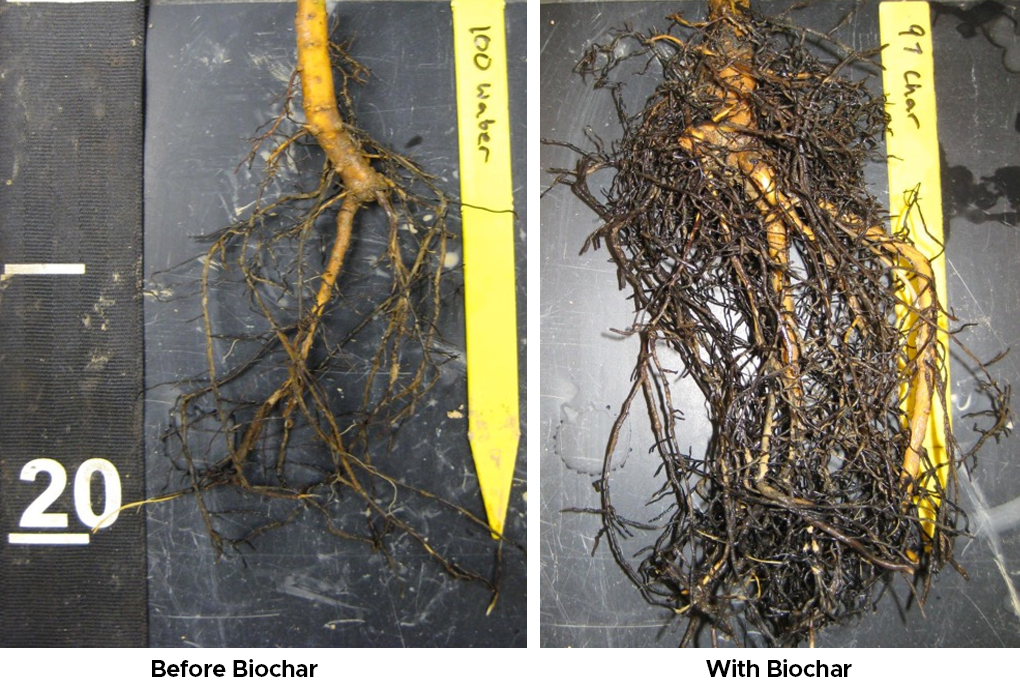
Water stress
Too much runoff, not enough root-zone moistureNutrient losses
Leaching, volatilization, or inconsistent availabilityCompaction & limited oxygen in roots
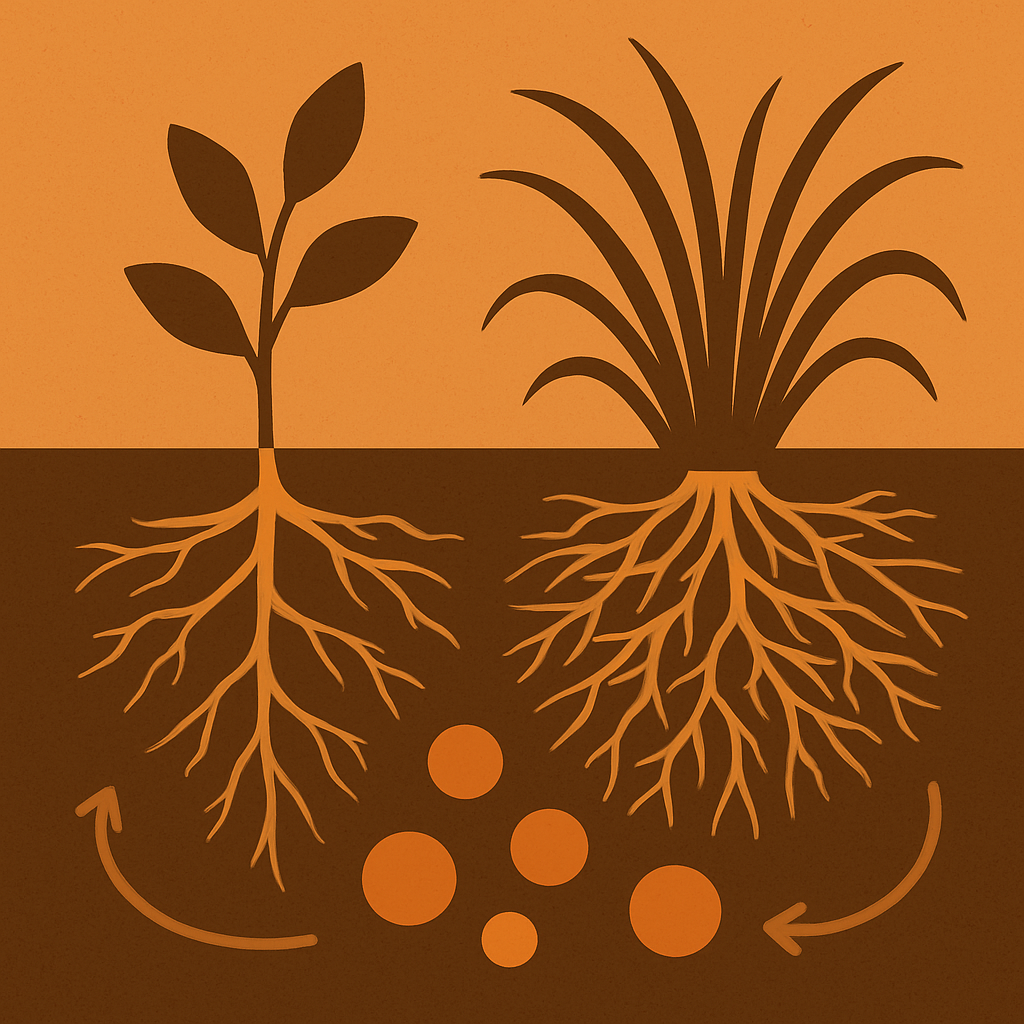
When roots can't get enough oxygen growth is slowedDeclining soil biology
after years of disturbance or intensive managementThe Stakes
If the root zone can’t hold water and nutrients effectively, you may see:
- More irrigation cycles and less uniform performance
- Greater dependency on fertilizer inputs
- Reduced stress tolerance during heat, drought, or heavy rainfall events
- Longer recovery times after traffic, harvest, or disturbance
Why 21st Century Biochar?
You don’t need another trend. You need a tool that works with soil physics, chemistry, and biology.
21st Century Biochar is designed to support:
- A soil amendment with porosity and surface area helps soils retain resources in the root zone
- Cation exchange and adsorption that can improve nutrient dynamics (and in some cases bind undesirable compounds)
- Microbial habitat that supports living soil systems over time
Whether you manage a golf course, farm acreage or vineyard blocks—your reality is the same: soils must do more with less.
A 3-step plan to start confidently
The steps to keeping your plants healthy:
1) Choose the right biochar form
Select particle size and packaging for your application (topdress, incorporate, blend).

2) Apply with the “4R” mindset
Right source. Right place. Right rate. Right timing. (We help you map it to your soil type and goal.)
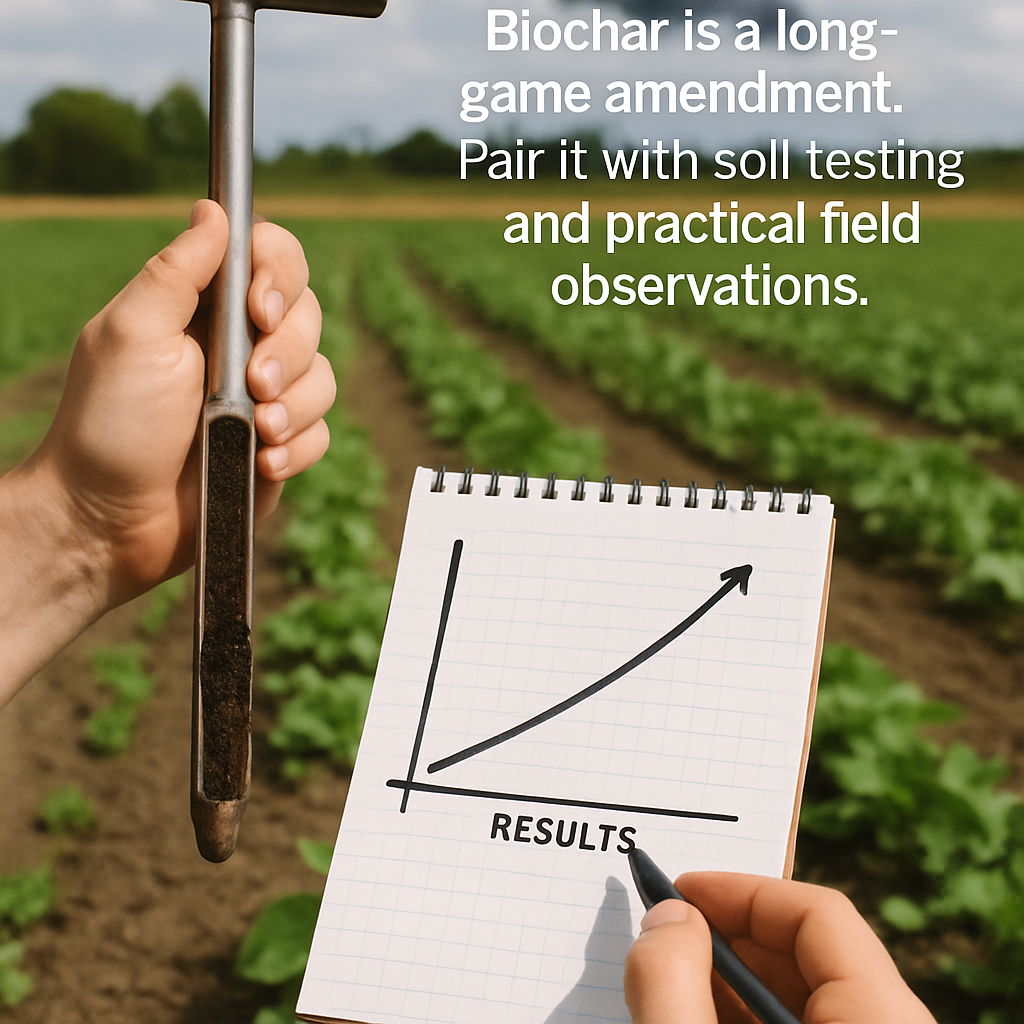
3) Measure results over time
Biochar is a long-game amendment. Pair it with soil testing and practical field observations.
What improved soil performance can unlock
Water
better retention where roots can access it; improved efficiency under stress conditionsNutrients
improved cycling and retention can support more consistent availabilitySoil Biology
Better habitat and carbon support for microbial communitiesDurability
Carbon persists far longer than many compounds
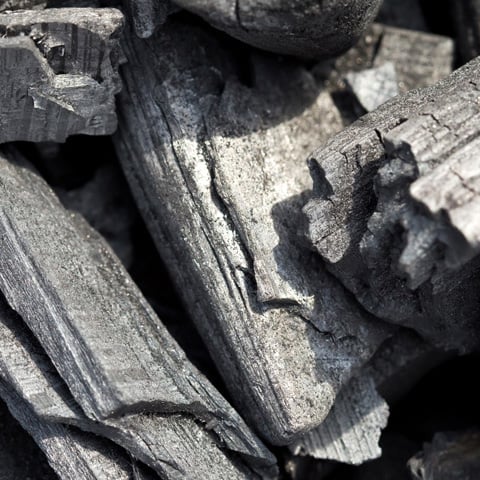
Is biochar the same as charcoal?
No, biochar is charcoal-like material made under controlled conditions intended for soil and environmental applications.
How fast will I see results?
Water saving are usually seen in 1 to 2 months. Other benefits accumulate over the first six months.
Do you help with rates and methods?
Yes—we guide selection and application using best-practice frameworks.